“Santos Coffee Beans” search results (1000)
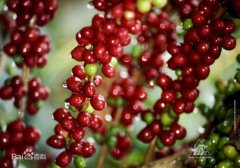
The advantages and disadvantages of growing coffee in Brazil are suitable for coffee-growing countries in Central and South America.
There are many large farms in Brazil, which run endless coffee plantations. They use machines to harvest and dry them. They are so efficient in automation that they regard coffee as a general agricultural material and completely abandon the flavor and flavor. As a result, many select coffee companies simply do not sell Brazilian beans so as not to demean themselves. In select coffee shops, Santos in Brazil still appears occasionally.
2016-05-09 Brazil planting coffee pros and cons suitable South Central American countries many large
Boutique coffee bean base introduces bourbon Santos coffee
Speaking of which, Bourbon Santos is not as bold and expressive as Brazilians, it is mild, sour and lively, and has a refreshing and harmonious flavor, it is one of the most popular coffee in the world. Among the Brazilian coffee, only Sandoz coffee is the most valued by the world. Although people all over the world love coffee, no other country combines coffee with daily life like Brazil.
2015-01-17 Boutique coffee beans introduction Bourbon Hills Doz Coffee speaking of Doze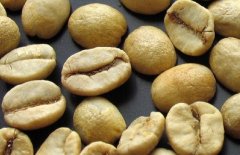
Introduction to Brazilian Coffee Raw Bean
Brazilian coffee raw bean Brazil santos coffee green bean although the annual output of Brazilian coffee reaches 30% to 35% of the world, ranking first in the world, none of the Brazilian beans can be called the top coffee. There are coffee trees all over the mountains, distributed in the south of Brazil, but Santos is the only one that can be put on the table; most of the other beans are handled hastily.
2015-09-22 Famous coffee raw beans introduction Brazil
A hermit in the Brazilian Santos coffee kingdom.
Xishan Dushi is a neutral bean. The aroma, acidity and alcohol of the coffee are moderate, and the bitterness is low. It is famous for its smooth taste. It is mild, slightly sour, smooth and round in the mouth, smooth but has a good return to sweet taste. Origin: Brazilian grade: good granules: relatively full acidity: slightly acid uniformity: stable baking: low to deep flavor: neutral beans, low acid, smooth and round taste
2014-10-17 Coffee knowledge Brazilian coffee Sandoz coffee
Brazilian Conillon Coffee Flavor description Price characteristics taste
Other kinds of Brazilian coffee, such as Rio and Parana, can be produced in large quantities because they do not need too much care. Although they taste rough, they can be regarded as a kind of good and cheap coffee. Because they are distributed all over Brazil and their solid quality varies, they have their own standards (NO.2~NO.8 according to the number of sundries, NO.13~NO.19 according to the size of beans, and six according to taste).
2016-10-21 Secco Nylon Conillon Coffee Flavor description Price characteristics
Brazilian Coffee Manor with faint grassy fragrance introduction to Fine Coffee
Brazilian coffee generally refers to coffee produced in Brazil. There are many kinds of coffee in Brazil. Like other Arabica coffee, Brazilian coffee is called Brazilian coffee Brazils to distinguish it from Milds coffee. The vast majority of Brazilian coffee is unwashed and sun-dried and is classified according to the name of the state of origin and port of transport. Brazil has 21 states and 17 states produce coffee, but among them
2016-09-18 With light grass fragrant Brazil coffee manor producing area flavor variety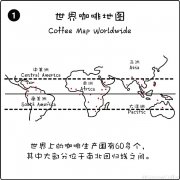
Brazil is the country with the largest coffee production in the world.
Brazil is the largest coffee producer in the world. Because of the vast territory of Brazil, each farm has its own unique fragrance, no doubt, but also with the standard flavor of Brazil. Not only the coffee quality standard in Brazil is very strict, but also the coffee raw bean processing system in Brazil has reached a very high level from the world standard. West Santos No.2 | Brazil Santos No.2 because
2016-05-05 Brazil the world coffee production large national natural dry world
An introduction to the characteristics of Brazilian coffee boutique coffee bean flavor and taste manor with endless coffee plantations
There are many large farms in Brazil, which run endless coffee plantations. They use machines to harvest and dry them. They are so efficient in automation that they regard coffee as a general agricultural material and completely abandon the flavor and flavor. As a result, many select coffee companies simply do not sell Brazilian beans so as not to demean themselves. In select coffee shops, Santos in Brazil still appears occasionally.
2016-09-12 Endless coffee garden Brazil coffee boutique coffee beans flavor taste manor
Mild aromas Brazilian coffee Flavor description Treatment characteristics Variety Taste
Coffee production has gradually become a science since the introduction of coffee trees from Guyane française in 1720. Before 1990, the Brazilian government strictly controlled the coffee industry, with both severe interference and price protection measures, and the state has always implemented minimum price protection measures for farmers, resulting in coffee overproduction. Before World War II, surplus stocks amounted to 780
2016-10-15 Aroma Softness Brazilian Coffee Flavor Description Handling Characteristics Variety Taste
The output and export of Brazilian coffee beans introduce the classification of coffee taste
Generally speaking, coffee fruit appears red when it is ripe. But the yellow bourbon coffee is yellow. The phrase yellow (yellow: yellow) comes from this. Compared with other coffee trees, the production of yellow bourbon coffee tree is relatively low and its cultivation is very difficult. When the yellow bourbon coffee beans are fully ripe, they will appear bright yellow. The processed roasted coffee beans are dry and sweet, and emit a kind of
2016-06-05 Brazil coffee beans production export introduction coffee taste classification generally speaking
The output and export of Brazilian coffee beans introduce the classification of coffee taste
Generally speaking, coffee fruit appears red when it is ripe. But the yellow bourbon coffee is yellow. The phrase yellow (yellow: yellow) comes from this. Compared with other coffee trees, the production of yellow bourbon coffee tree is relatively low and its cultivation is very difficult. When the yellow bourbon coffee beans are fully ripe, they will appear bright yellow. The processed roasted coffee beans are dry and sweet, and emit a kind of
2016-06-05 Brazil coffee beans production export introduction coffee taste classification generally speaking
Description of Brazilian Coffee Flavor introduction to the taste of high-quality coffee beans
Brazilian coffee generally refers to coffee produced in Brazil. There are many kinds of coffee in Brazil. Like other Arabica coffee, Brazilian coffee is called Brazilian coffee Brazils to distinguish it from Milds coffee. The vast majority of Brazilian coffee is unwashed and sun-dried and is classified according to the name of the state of origin and port of transport. Brazil has 21 states and 17 states produce coffee, but among them
2016-09-27 Brazil coffee flavor description producing area characteristics boutique coffee beans taste introduction
Flavor and taste characteristics of Brazilian Santos coffee beans an introduction to the manor production area described by Sidamo
Brazilian coffee was introduced from French Guiana in 1729. It is true that intensive farming, changing treatment methods and improving the technical content of planting can improve the quality of coffee to some extent, but in any case, the natural conditions of Brazil cannot be compared with those of some regions that produce the world's top coffee. Because although Brazil has better soil conditions and humid climate, it is not high above sea level.
2016-10-24 Brazil Doss coffee beans flavor taste characteristics Dharma description manor region
Power Coffee South American Santos Coffee: also a unique coffee variety in Brazil
South American Santos Coffee: also unique to Brazil, it tastes mellow, neutral and can be boiled directly or mixed with other kinds of coffee beans to form a comprehensive coffee. Old bourbon coffee is grown on some estates in the Serrado district of Minas Greais state in southeastern Brazil. These estates, such as Capin Branco Manor and
2016-05-07 Power coffee South American mountains Doss also Brazil some varieties
Boutique coffee beans Brazil Santos
Brazil is located in South America, about 15 degrees south latitude. Brazilian coffee culture began in 1727 and sprang up in the north of Brazil when a Mr. Francesco de MeloPalheta smuggled coffee seeds from France to Brazil. At that time, this was strongly opposed by the French who monopolize the coffee business today. Those seeds are the ancestors of more than 300 million Brazilian coffee trees today. In the early morning
2014-09-30 Coffee knowledge boutique coffee beans Santos Brazil
Brazil Santos boutique coffee beans
Brazil is located in South America, about 15 degrees south latitude. Brazilian coffee culture began in 1727 and sprang up in the north of Brazil when a Mr. Francesco de MeloPalheta smuggled coffee seeds from France to Brazil. At that time, this was strongly opposed by the French who monopolize the coffee business today. Those seeds are the ancestors of more than 300 million Brazilian coffee trees today. In the early morning
2014-09-25 Santos Brazil boutique coffee beans
Introduction to the producing area of Brazilian Coffee Manor with strong fragrance
In terms of natural conditions, Brazil is in the tropics, with a tropical rain forest climate in the north, hot and humid all the year round, suitable for tropical crops, coffee trees are sunny crops, and sufficient sunlight is the condition for their growth. Historically, Brazil has been a Portuguese colony for a long time. In order to meet the needs of Western Europe, Brazilian coffee has been growing single crops for a long time and developing tropical plantations.
2016-07-04 Strong fragrant boutique Brazil coffee manor producing area introduction nature bar
The mild taste bud test of Bourbon Santos
Speaking of which, Bourbon Santos is not as bold and expressive as Brazilians, it is mild, sour and lively, and has a refreshing and harmonious flavor, it is one of the most popular coffee in the world. Among the Brazilian coffee, only Sandoz coffee is the most valued by the world. Although people all over the world love coffee, no other country combines coffee with daily life like Brazil.
2015-05-09 Bourbon Mountain Doz mild Taste Bud Test speaking not like
Coffee type Bourbon Santos Coffee mild taste bud test
Speaking of which, Bourbon Santos is not as bold and expressive as Brazilians, it is mild, sour and lively, and has a refreshing and harmonious flavor, it is one of the most popular coffee in the world. Among the Brazilian coffee, only Sandoz coffee is the most valued by the world. Although people all over the world love coffee, no other country combines coffee with daily life like Brazil.
2015-01-31 Coffee variety bourbon toast gentleness taste buds test speaking
Description of Brazilian Coffee Flavor with low sour taste introduction to the treatment of Grinding degree
There are many large farms in Brazil, which run endless coffee plantations. They use machines to harvest and dry them. They are so efficient in automation that they regard coffee as a general agricultural material and completely abandon the flavor and flavor. As a result, many select coffee companies simply do not sell Brazilian beans so as not to demean themselves. In select coffee shops, Santos in Brazil still appears occasionally.
2016-10-06 With low sour Brazilian coffee flavor description grinding treatment way